

The Similarities in Kicking Techniques
Biomechanics of Kicking
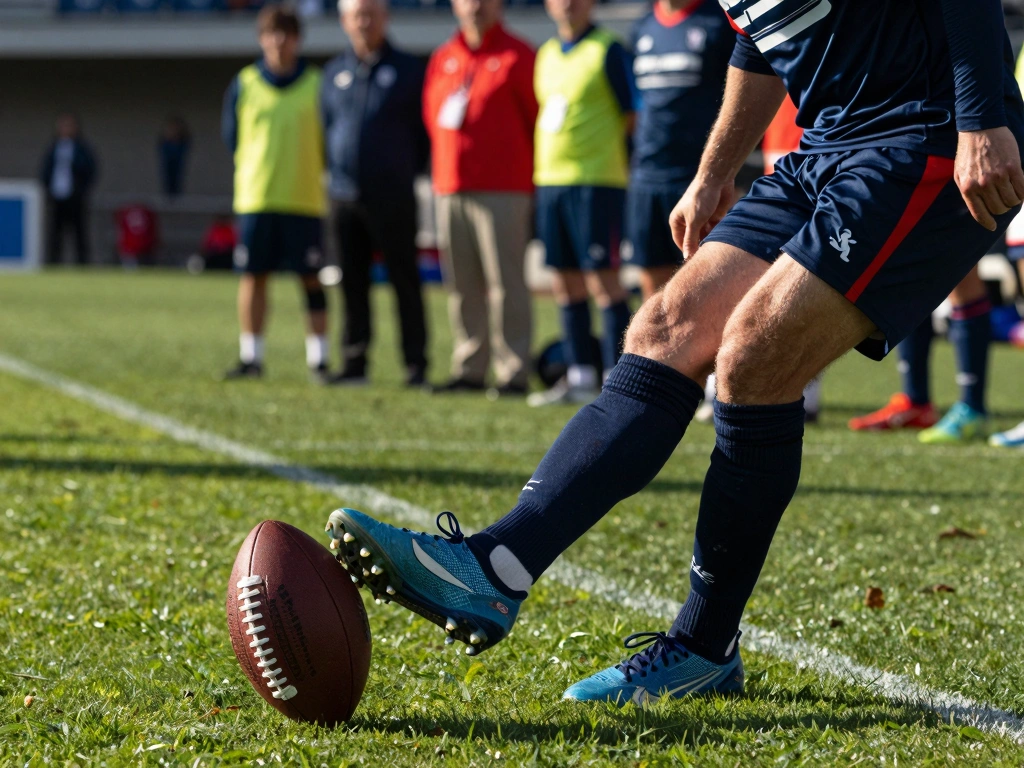
At the heart of the success of many NFL kickers lies a fundamental understanding of biomechanics, a science that explains the movements of the body. The kicking motion in both soccer and American football, while distinct in application, shares several core biomechanical principles. In soccer, players utilize a dynamic kicking technique that maximizes force and accuracy, which translates well to the placekicking and punting required in the NFL.
Both sports involve a wind-up phase followed by an explosive leg extension that propels the ball. The angle of the approach, body posture, and the mechanics of energy transfer are crucial in both kicking applications. The effective use of the hip flexors and quadriceps in soccer players allows them to generate impressive power, which is equally important for kickers in the NFL. This biomechanical expertise is one reason why many kickers transition successfully from soccer.
Foot Placement and Ball Contact
Foot placement is critical in both soccer and football kicking. Soccer players are trained to strike the ball with precision, utilizing the laces of their shoes to achieve controlled power. Similarly, NFL kickers focus on hitting the ball at the sweet spot—usually the lower third of the ball—to ensure optimal trajectory and distance. The angle of contact and the direction of the foot during the kick are essential components in both sports.
In soccer, athletes are taught to position their non-kicking foot beside the ball to provide balance and direction. This technique directly correlates to the placement of the non-kicking foot in football, which stabilizes the kicker's stance and aids in directing the ball. As a result, former soccer players often find it easier to adapt to the nuances of kicking in football, as they have already honed these fundamental skills.
Follow-Through and Power Generation
The follow-through in kicking is often overlooked, yet it plays a significant role in both soccer and football. A proper follow-through not only ensures the ball travels in a straight line but also adds to the distance kicked. Soccer players are taught to maintain a smooth follow-through after striking the ball, allowing them to maximize their kick's power.
For NFL kickers, this translates into a consistent and repeatable kicking motion. The ability to generate power from the hip and transfer it through the leg into the ball is critical. Many successful kickers, such as Adam Vinatieri and Justin Tucker, exhibit follow-through mechanics that closely resemble those of elite soccer players, showcasing how power generation techniques carry over between these two sports.
The Mental Game: Pressure and Precision
High-Pressure Situations in Soccer
One of the significant advantages that former soccer players bring to the NFL is their experience in high-pressure situations. Soccer matches often culminate in tense moments, such as penalty kicks, where players must perform under extreme pressure. These situations require not just technical skill but also a strong mental fortitude, which is crucial for NFL kickers facing game-deciding field goals.
For instance, during the Copa America 2016, Lionel Messi missed a crucial penalty kick that led to Argentina's loss in the final. Such high-stakes scenarios are a regular feature in soccer, and players learn to cope with the pressure, making them more resilient when transitioning to football. This mental conditioning equips kickers with the ability to handle the pressure of a 50-yard field goal attempt in the final seconds of a game.
Focus and Concentration Skills
Soccer requires a high level of concentration and focus, especially during critical moments. Kickers in the NFL must replicate this skill, as their performance often hinges on a single kick. The ability to block out distractions, whether from the crowd, weather conditions, or the opposing team, is essential for a kicker's success.
Training in soccer emphasizes maintaining concentration during various scenarios—such as dribbling through defenders or taking a free kick. This mental training can help kickers remain composed, enabling them to execute their kicks with precision. Successful kickers often mention the importance of visualization and mental rehearsal, techniques that are also common in soccer training.
Decision-Making Under Stress
Decision-making is a vital skill both in soccer and football. Soccer players frequently make split-second decisions that can change the course of a game, such as whether to pass, shoot, or dribble. Similarly, NFL kickers must assess their options quickly, particularly in a two-minute drill where every second counts.
Former soccer players often excel in this area due to their extensive experience in making rapid decisions under pressure. For example, NFL kicker Mason Crosby reported that his time spent in soccer helped him develop the ability to assess game situations quickly and remain calm when executing difficult kicks. This ability to make informed decisions adds to their effectiveness as kickers.
Physical Attributes Beneficial for Kickers
Leg Strength and Conditioning
Leg strength is a crucial physical attribute for any kicker. Soccer players typically develop strong legs through rigorous training and constant kicking, enabling them to generate significant power. NFL kickers require similar leg strength to achieve the distance needed for field goals and kickoffs.
Many kickers utilize specific strength training programs to maintain and enhance their leg strength, often incorporating exercises like squats, lunges, and plyometrics. This foundation in leg strength, often established during their soccer careers, allows them to transition seamlessly into the demands of kicking in football.
Agility and Balance
Agility and balance are essential traits for both soccer players and NFL kickers. Soccer requires quick footwork and the ability to change direction rapidly, skills that translate well to the football field. Kickers must maintain balance during their approach and follow-through to ensure effective kicks.
Training regimens that emphasize agility drills and balance exercises, such as agility ladders and balance boards, are common for soccer players. As these skills are critical for success in both sports, former soccer players often find themselves at an advantage when adapting to the kicking position in the NFL.
Endurance and Stamina Requirements
While kickers do not typically participate in every play, possessing endurance and stamina is still essential. Soccer players are accustomed to high levels of cardiovascular conditioning, which can enhance a kicker’s performance over the course of a game. The ability to remain physically and mentally sharp throughout the game can make a significant difference during critical moments.
Former soccer players often enter the NFL with a robust fitness base, which helps them maintain peak performance during long seasons. This endurance allows kickers to stay focused and energized, particularly in late-game scenarios where precision is paramount.
Developmental Pathways from Soccer to Football
Youth Sports and Skill Transfer
The transition from soccer to football often begins at a young age. Many athletes participate in both sports during their formative years, allowing them to develop complementary skills. Youth leagues often provide a platform for young athletes to experiment with different sports, leading to skill transfer that can be beneficial in later years.
For instance, a young athlete who excels in soccer may find that the kicking skills they develop translate seamlessly to football. This early exposure to different sports helps cultivate a versatile athlete, providing them with a broader skill set as they progress to higher levels of competition.
Coaching and Training Techniques
The coaching techniques used in soccer also contribute to the development of effective kickers. Soccer coaches often emphasize technique, precision, and discipline, which are crucial components of successful kicking. The structured training environments foster an understanding of biomechanics and footwork that can be beneficial in both sports.
Moreover, many coaches in football recognize the value of soccer training techniques. As a result, they may implement drills that focus on kicking mechanics similar to those used in soccer, further enhancing the skill set of kickers transitioning from soccer backgrounds.
Scouting and Recruitment Trends
In recent years, NFL teams have begun to recognize the value of soccer players as potential kickers. This shift in scouting and recruitment trends has led many teams to actively seek out players with soccer backgrounds. The skill set that soccer players bring—such as precision, power, and mental toughness—has made them attractive candidates for kicking positions.
For example, in the 2020 NFL Draft, multiple teams expressed interest in former soccer players for their kicking needs, leading to successful signings. This trend highlights the growing acknowledgment of the transferability of skills between the two sports, as well as the potential for soccer players to excel in the NFL.
Success Stories: Prominent NFL Kickers from Soccer Backgrounds
Case Study: Successful Transition Examples
Numerous kickers have made successful transitions from soccer to the NFL, illustrating the effectiveness of this pathway. One notable example is Graham Geno, who played soccer at the collegiate level before becoming a kicker for an NFL team. His extensive experience in soccer provided him with the technical skills and mental toughness required to thrive in the NFL.
Another example is Matt Bryant, who played soccer in college and transitioned into football as a kicker. Bryant's ability to maintain focus under pressure and execute crucial kicks has led him to become one of the more successful kickers in NFL history.
Impact on Team Success and Performance
The impact of successful soccer-to-football transitions is significant for NFL teams. Kickers with soccer backgrounds often bring a unique perspective and skill set that can enhance team performance. Their ability to handle pressure and execute under stress can be the difference between winning and losing in close games.
Teams that have successfully utilized kickers from soccer backgrounds have often seen increased success rates in field goal attempts. The precision and power generated by these kickers can lead to higher scoring potential, directly impacting a team's overall performance.
Inspiration for Future Athletes
The success of NFL kickers with soccer backgrounds serves as an inspiration for young athletes considering their sporting futures. It highlights the importance of versatility and skill development across multiple sports. As more soccer players make the transition to football, it encourages youth athletes to explore various sports and develop a well-rounded athletic skill set.
Moreover, it reinforces the idea that success in sports is not limited to traditional pathways. The stories of successful kickers inspire future athletes to pursue their passions, regardless of the sport, and to recognize the potential for cross-disciplinary success.